

Table of Contents
Kenya homeownership: Buy smart, build wisely.
Introduction
The decision of whether to Buy or Build a House in Kenya is a significant one, influenced by factors like budget, time constraints, desired level of customization, and access to financing. This exploration weighs the advantages and disadvantages of each approach, considering the Kenyan real estate market’s unique challenges and opportunities to help prospective homeowners make an informed choice.
Affordability: Weighing the Costs of Buying vs. Building in Kenya
The decision of whether to Buy or Build a House in Kenya is a significant one, heavily influenced by financial considerations. Affordability, in particular, plays a crucial role in determining the most viable option for prospective homeowners. While both avenues present unique challenges and advantages, a careful assessment of the associated costs is paramount. Firstly, purchasing an existing property often involves a higher upfront cost compared to building. This is primarily due to the immediate need to secure a substantial sum for the purchase price, which can be significantly higher than the cost of materials and labor for a new build, especially in desirable locations. Furthermore, existing properties may require immediate renovations or repairs, adding unexpected expenses to the initial investment. These unforeseen costs can quickly escalate, potentially exceeding the budget allocated for the purchase.

Conversely, building a house allows for greater control over the final product and its cost. While the initial outlay might seem lower, the process unfolds in stages, requiring consistent financial commitment over an extended period. This phased approach necessitates meticulous budgeting and careful planning to account for potential cost overruns. Material costs, labor charges, and professional fees (architects, engineers, contractors) can fluctuate, impacting the overall budget. Furthermore, obtaining necessary permits and approvals can also incur unexpected expenses and delays, adding to the overall project timeline and cost. Therefore, while building offers the potential for a more customized and potentially less expensive home in the long run, it demands a higher degree of financial discipline and risk management.
Another crucial factor influencing affordability is the location. Land prices vary significantly across Kenya, with urban areas commanding considerably higher costs than rural regions. This disparity directly impacts both buying and building costs. Purchasing an existing property in a prime location will naturally be more expensive than acquiring land and building in a less developed area. However, the latter option may involve additional expenses related to infrastructure development, such as access roads, water, and electricity connections, which might not be readily available. Consequently, the seemingly lower initial cost of building in a less developed area could be offset by these supplementary infrastructure investments.
Moreover, financing options play a significant role in determining affordability. Mortgages are increasingly available in Kenya, but securing one often requires a substantial down payment and meeting stringent creditworthiness criteria. This can make purchasing an existing property challenging for many, especially first-time homebuyers. Building a house, on the other hand, might offer more flexibility in terms of financing, as construction loans can be structured to align with the phased nature of the project. However, securing such loans also depends on factors like credit history and the overall viability of the building plan.
In conclusion, the choice between buying or building a house in Kenya hinges on a comprehensive evaluation of individual financial circumstances, risk tolerance, and long-term goals. While buying an existing property offers immediate occupancy and potentially a quicker path to homeownership, it often involves a higher upfront cost and the risk of unforeseen repairs. Building a house, although demanding more time and financial planning, provides greater control over the final product and potentially lower long-term costs, but carries the risk of cost overruns and delays. A thorough cost-benefit analysis, considering all aspects discussed above, is essential to make an informed and financially sound decision.
Time Investment: Comparing the Speed of Buying and Building a Home
The decision to Buy or Build a House in Kenya is a significant one, laden with financial and logistical considerations. One crucial aspect often overlooked is the time investment required for each option. While the financial implications are widely discussed, the temporal commitment can significantly impact lifestyle and overall project satisfaction. Understanding the timeframes involved in each process is therefore paramount before making a choice.
Buying an existing home, while seemingly quicker, still involves a considerable time commitment. Initially, the search itself can be protracted. Finding a property that meets specific criteria – location, size, features – often requires weeks, even months, of browsing listings, attending viewings, and negotiating offers. This initial phase is further extended by the due diligence process. Thorough investigations into the property’s title deed, ensuring its legality and freedom from encumbrances, are essential to avoid future complications. This often involves engaging legal professionals, adding to the overall timeline. Furthermore, securing financing, if required, adds another layer of complexity, with mortgage applications and approvals potentially taking several weeks or even months, depending on the lender and the applicant’s financial profile. Finally, the transfer of ownership, involving legal paperwork and registration with relevant authorities, can also consume a significant amount of time.
In contrast, building a house presents a different temporal landscape. While the initial stages might seem faster – securing land and obtaining necessary approvals – the actual construction phase is considerably longer. This process is heavily influenced by several factors, including the complexity of the design, the availability of building materials, and the efficiency of the construction team. Delays are common, stemming from unforeseen circumstances like weather disruptions, material shortages, or contractor issues. Moreover, meticulous planning and oversight are crucial to ensure the project stays on schedule. Regular site visits, communication with contractors, and addressing any arising issues promptly are essential to mitigate potential delays. The entire process, from initial design to final completion, can easily stretch over a year or even longer, depending on the scale and complexity of the project.
Therefore, a direct comparison of the time investment reveals a nuanced picture. Buying an existing home offers a potentially faster route to occupancy, provided the search and financing processes are efficient. However, this speed comes at the cost of potentially compromising on specific requirements or accepting existing conditions. Building a house, on the other hand, allows for greater customization and control over the final product, but demands a significantly longer time commitment and requires active involvement throughout the process. The choice, ultimately, hinges on individual priorities. Those prioritizing speed and immediate occupancy might find buying a pre-existing home more suitable. Conversely, individuals willing to invest more time for greater control and personalization might find building a house a more rewarding, albeit lengthier, endeavor. Ultimately, a realistic assessment of one’s time constraints and priorities is crucial in determining the optimal path to homeownership in Kenya.
Customization and Control: Exploring Design Flexibility in Kenyan Real Estate
The decision of whether to Buy or Build a House in Kenya is a significant one, heavily influenced by individual priorities and circumstances. While purchasing an existing property offers immediate occupancy and a known cost, building a house presents a compelling alternative for those seeking greater customization and control over the design process. This inherent flexibility is a key differentiator, allowing prospective homeowners to tailor their living space to their specific needs and preferences, a factor often overlooked in the broader cost-benefit analysis.
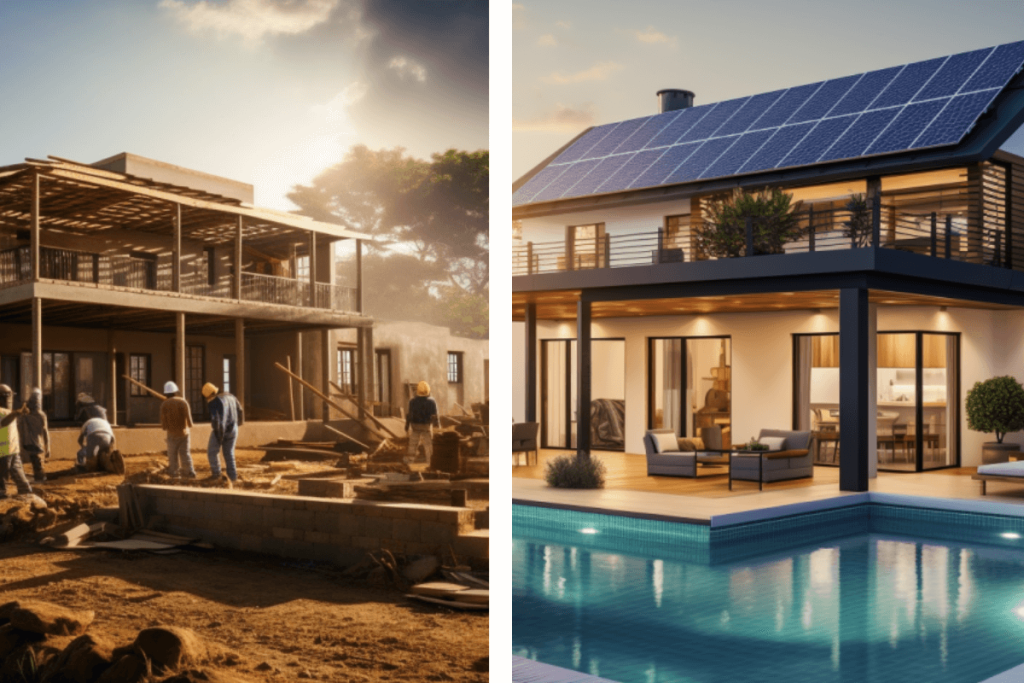
Firstly, building allows for complete control over the architectural design. This extends beyond mere aesthetics; it encompasses the fundamental layout, the incorporation of specific features, and the overall functionality of the home. For instance, a family with young children might prioritize a large, open-plan kitchen and dining area for easy supervision, a feature less likely to be found in a pre-existing property. Similarly, individuals with mobility challenges can incorporate ramps, wider doorways, and other accessibility features from the outset, avoiding costly and potentially disruptive renovations later. This proactive approach to design ensures the home perfectly aligns with the homeowner’s lifestyle and long-term needs.
Furthermore, the choice of building materials offers another layer of customization. While pre-built homes often come with predetermined materials, building allows for the selection of high-quality, durable materials tailored to the Kenyan climate and specific preferences. This could involve choosing locally sourced timber for sustainability, incorporating energy-efficient windows to reduce electricity bills, or selecting specific roofing materials for optimal insulation. Such choices not only impact the aesthetic appeal but also the long-term cost-effectiveness and environmental impact of the home. This level of control is simply unavailable when purchasing an existing property.
However, it’s crucial to acknowledge the complexities inherent in building a house. The process is inherently more time-consuming than buying a ready-made home, often involving lengthy planning permissions, contractor negotiations, and potential delays. Moreover, managing the construction process requires significant oversight and expertise, potentially necessitating the engagement of professional project managers to ensure the project stays on schedule and within budget. Unexpected costs can also arise, stemming from unforeseen site conditions or material price fluctuations, adding another layer of complexity to the financial planning.
In contrast, buying an existing property offers immediate gratification. The purchase process, while still involving legal and financial considerations, is generally faster and less demanding than building. The buyer inherits a finished product, eliminating the uncertainties and potential delays associated with construction. This is particularly appealing to those seeking a quick move-in date or lacking the time and resources to manage a complex building project.
Ultimately, the decision between buying and building hinges on a careful weighing of these factors. The desire for complete customization and control over design, materials, and functionality strongly favors building. However, this must be balanced against the increased time commitment, potential cost overruns, and the need for meticulous project management. Therefore, a thorough assessment of individual priorities, financial resources, and risk tolerance is essential before embarking on either path. Only then can one make an informed decision that best suits their specific needs and circumstances within the Kenyan real estate market.
Q&A
**Q1: What are the cost considerations when comparing buying vs. building in Kenya?**
**A1:** Buying an existing house often has higher upfront costs but avoids the lengthy and potentially unpredictable expenses of construction, including material price fluctuations and potential delays. Building allows for customization but requires significant upfront capital and ongoing management of contractors and materials.
**Q2: What are the time implications of buying versus building a house in Kenya?**
**A2:** Buying a house is generally faster, with the process taking weeks or months depending on legal and financial procedures. Building a house can take significantly longer, ranging from months to years, depending on the size and complexity of the project and bureaucratic processes.
**Q3: Which option offers more control over design and features in Kenya?**
**A3:** Building a house offers significantly more control over design, materials, and features. Buying a pre-existing house limits choices to existing structures and renovations.
Conclusion
The decision to Buy or Build a House in Kenya depends heavily on individual circumstances, financial resources, and risk tolerance. Buying offers immediate occupancy and potentially lower upfront costs, but may involve compromises on location, design, and quality. Building allows for greater customization and potentially long-term cost savings, but requires significant upfront capital, time investment, and careful project management to mitigate risks associated with construction in Kenya. Ultimately, a thorough cost-benefit analysis considering personal priorities is crucial before making a decision.