

Top 10 Tips for First-Time Home Buyers
Buying your first home is an exciting milestone, but it can also be a daunting experience. With so many factors to consider, it’s essential to approach the process armed with the right knowledge and resources. This guide provides ten comprehensive tips to help first-time home buyers navigate the complexities of purchasing a home with confidence.
1. Understand Your Financial Situation
Before you start house hunting, take a close look at your financial health. Evaluate your savings, monthly income, and current expenses to determine how much you can afford. Remember to account for additional costs like property taxes, homeowners insurance, and maintenance fees.
Consider using an online mortgage calculator to estimate your monthly payments and understand the financial commitment involved. It’s also wise to review your credit score, as a higher score can qualify you for better mortgage rates.
2. Explore Mortgage Options
Understanding the various mortgage options available to you is crucial. Research the differences between fixed-rate and adjustable-rate mortgages, as well as government-backed loans such as FHA, VA, and USDA loans. Each type has its own benefits and drawbacks, so evaluate which aligns best with your financial situation and future plans.
Consulting with a mortgage broker or lender can provide personalized advice and help you secure the best rates. Additionally, determine the minimum down payment you’ll need, as this can vary depending on the loan type and lender requirements.

3. Get Pre-Approved for a Mortgage
Once you’ve decided on a mortgage type, obtaining pre-approval is a crucial next step. A pre-approval letter from a lender shows sellers that you are a serious buyer and can afford the home. This can give you a significant advantage in a competitive market.
During pre-approval, the lender will assess your financial situation, including your income, debts, and credit history. This process will also give you a clearer picture of the loan amount you qualify for, helping you narrow down your home search.
4. Identify Your Must-Haves
Create a list of must-have features and prioritize them. Consider aspects such as location, size, number of bedrooms and bathrooms, property type, and proximity to work or schools. This list will help you focus your search and avoid being swayed by properties that don’t meet your essential criteria.
Keep in mind that finding a home that meets all your criteria is rare, so be prepared to compromise on less critical features. It’s important to distinguish between what you truly need and what would be nice to have.
5. Hire a Real Estate Agent
A skilled real estate agent can be an invaluable ally in your home-buying journey. They have extensive market knowledge, can help you find suitable properties, and negotiate on your behalf. Look for an agent with experience in your desired area and a track record of successfully assisting first-time buyers.
Working with an agent can also provide access to listings before they hit the market and help you avoid common pitfalls. An agent’s expertise can save you time and money, ensuring a smoother transaction process.
6. Conduct Thorough Home Inspections
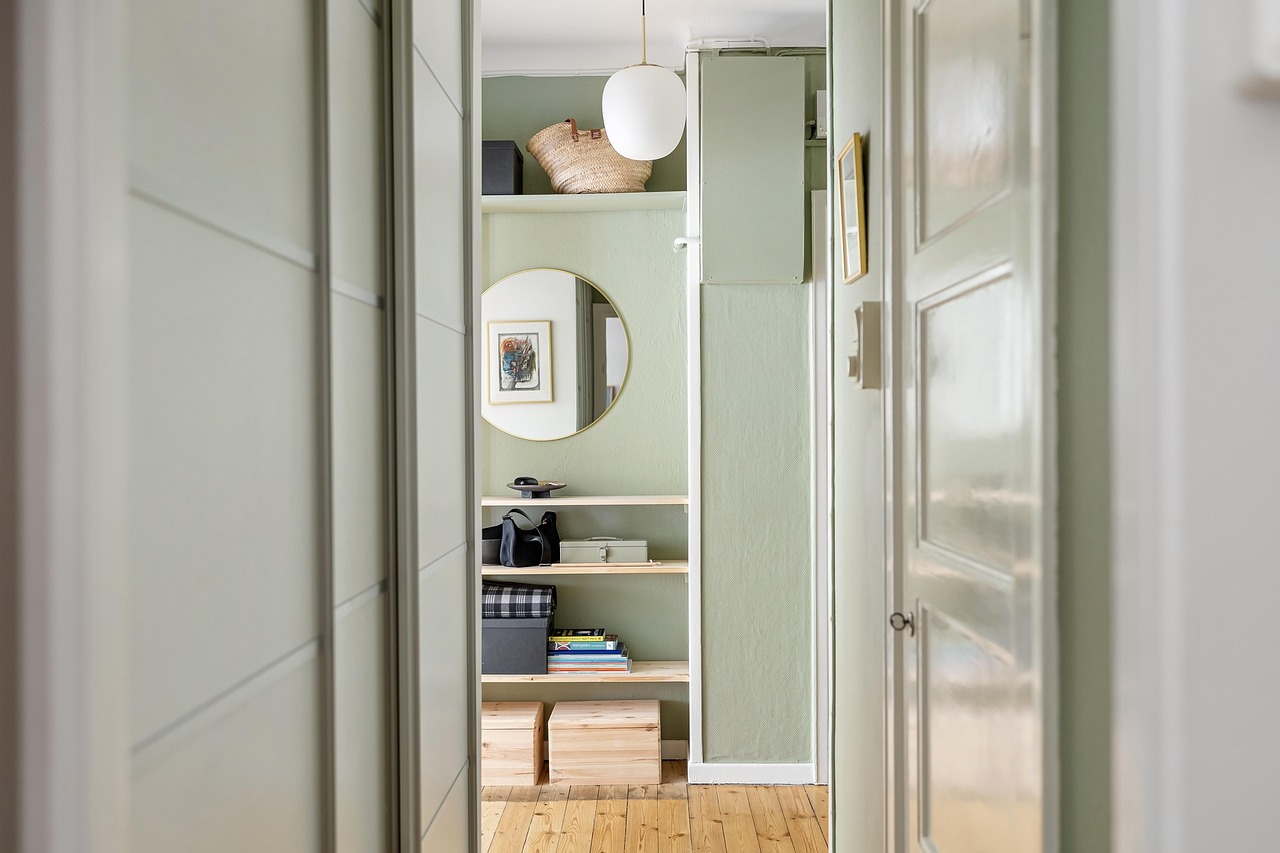
A home inspection is a critical step in the buying process. It can reveal potential issues with the property that may not be visible during a regular viewing. Hire a licensed and reputable home inspector to evaluate the property’s structure, systems, and overall condition.
Pay attention to the inspector’s report and consider any necessary repairs or renovations. If significant issues are discovered, you may need to negotiate with the seller for repairs or a price reduction. A thorough inspection can save you from costly surprises down the line.
7. Understand the Neighborhood
The location of your home significantly impacts your lifestyle and property value. Research the neighborhood’s amenities, schools, crime rates, and future development plans. Visit the area at different times of the day to get a feel for the community and its dynamics.
You can use tools like Walk Score to assess the walkability of the neighborhood and its proximity to essential services. Understanding the neighborhood will help you make an informed decision and ensure long-term satisfaction with your purchase.
8. Be Ready to Make an Offer
When you find the right home, be prepared to act quickly. Work with your real estate agent to determine a fair offer price based on comparable properties and market conditions. Be ready to negotiate, but also know your limits to avoid overextending your budget.
In competitive markets, consider including a personal letter to the seller to make your offer stand out. However, remain flexible and open to counteroffers, as negotiations are often part of the process.
9. Prepare for Closing Costs
Closing costs are expenses incurred during the finalization of a real estate transaction. They typically range from 2% to 5% of the home’s purchase price and include fees for the loan origination, appraisal, title insurance, and more.

Review the closing disclosure provided by your lender, which details these costs. Being aware of these expenses will help you budget accordingly and avoid any last-minute financial surprises.
10. Plan for the Future
Buying a home is a long-term commitment, so consider your future plans when making a decision. Think about your career, family, and lifestyle changes that may occur over the next several years. Ensure the property and mortgage terms align with these potential changes.
Owning a home also requires ongoing maintenance and updates. Set aside a budget for these expenses to preserve your home’s value and keep it in good condition.
Takeaways
Purchasing a home for the first time is an exhilarating yet complex process that requires careful planning and decision-making. By understanding your financial situation, exploring mortgage options, and working with experienced professionals, you can navigate this journey with confidence. Keep these ten tips in mind to make informed decisions and secure a home that meets your needs and aligns with your long-term goals.
Remember, the right preparation and guidance can make all the difference. Embark on this exciting journey with confidence and enjoy the rewards of owning your own home.
Additional Resources for First-Time Home Buyers

As you embark on your home buying journey, taking advantage of available resources can make the process smoother and more manageable. Below are some valuable resources to consider:
- First-Time Homebuyer Education Programs: Many states and local governments offer programs designed to educate first-time home buyers. These programs often cover topics such as budgeting, credit scores, and the home buying process. Check with your local housing authority for available options.
- Online Real Estate Platforms: Websites like Zillow and Realtor.com provide comprehensive listings and tools for filtering homes based on your criteria. These platforms can help you explore the market and compare properties from the comfort of your home.
- Financial Counseling Services: If you’re unsure about your financial readiness, consider working with a financial advisor. They can help you understand your budget, improve your credit score, and plan for future financial commitments.
- Government Assistance Programs: Some government programs offer financial assistance or incentives for first-time buyers. Research options such as the FHA First-Time Homebuyer Program or state-specific grants that may be available to you.
Common Mistakes to Avoid
Being aware of common pitfalls can help you avoid costly mistakes during the home buying process. Here are some errors first-time buyers often make:
- Not Getting Pre-Approved: Skipping the pre-approval process can lead to disappointment if you find a home you love but can’t secure financing. Pre-approval also strengthens your bargaining position with sellers.
- Overlooking Hidden Costs: Beyond the purchase price, home buying involves several hidden costs, such as inspection fees, closing costs, and moving expenses. Failing to account for these can strain your finances.
- Skipping the Inspection: Forgoing a professional home inspection to save money can lead to expensive repairs later. Always invest in a thorough inspection to identify potential issues.
- Letting Emotions Drive Decisions: Buying a home is an emotional experience, but it’s essential to remain objective. Avoid falling in love with a property that exceeds your budget or doesn’t meet your needs.
- Ignoring Resale Value: While it’s crucial to find a home that suits your current lifestyle, it’s also wise to consider its resale potential. Opt for properties in desirable locations with features that appeal to future buyers.

Final Thoughts
Purchasing your first home is a significant life event that requires careful consideration and planning. By following the tips outlined in this guide, you’ll be better equipped to navigate the complexities of the home buying process. Remember, patience and preparation are key to making a sound investment that will serve you well for years to come.
Stay informed, seek professional guidance, and remain flexible as you explore your options. With the right approach, you can achieve your dream of homeownership and enjoy the many benefits it brings.
For more information on buying your first home, consider exploring resources from reputable organizations like the U.S. Department of Housing and Urban Development (HUD). Their website offers a wealth of information and guidance for prospective home buyers.
Need help with “Top 10 Tips for First-Time Home Buyers”?
Call or Whatsapp 0703633307
Need help with “Top 10 Tips for First-Time Home Buyers”? Call or Whatsapp 0703633307